

Truth and Reconciliation Training
Connect the history to what reconciliation asks of us today.
Give your team the context to understand how colonization continues to affect Indigenous Peoples and take part in conversations about reconciliation more thoughtfully.
Choose from three expert-led sessions, from foundational history to Treaties, accountability, Indigenous sovereignty and action.
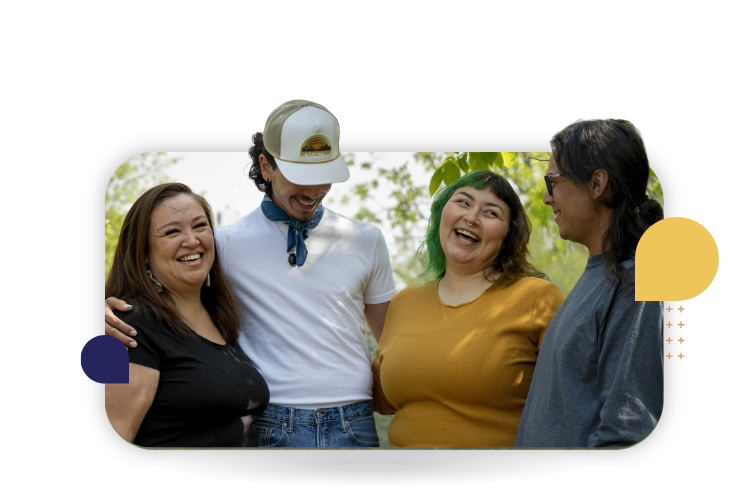

Key Truth and Reconciliation Training Highlights
- Practical skills your team can use right away
- Led live by an expert facilitator
- Unlimited participants for one flat fee
- Recording and resources reinforce learning long after the session
1,000+ organizations trust us to help their teams learn, grow, and lead.


















Client testimonials


Both sessions were incredibly educational and the CultureAlly team brought forth a wealth of knowledge supported by industry professionals. The work CultureAlly does is so important and well done and I always look forward to these sessions.


The team was attentive and were amazing with how they tailored the workshop to our company's needs. The feedback we got from our team was excellent - everyone was very engaged, and loved the content - we will definitely be working with them again!
I've heard from a few folks that they appreciated the session, the approach, the crispness of the content (and your slides!) and the skilled ‘ebb and flow’ between the facilitators. I could not be more pleased and appreciative.

The engagement was very strong both in the chat and in the room.
The speakers offered insights, best practices and practical solutions. Tressler's large audience participated in interactive discussions and gained actionable takeaways designed to drive meaningful change within the workplace.

It really feels like they are part of our organization. They are dedicated, collaborative and really take the time to understand their clients, their needs, and the organization as a whole.
An incredible level of professionalism and diligence brought to every aspect of this process. We were deeply impressed by how the entire CultureAlly team embody the very principles they advocate. We felt we could speak openly and candidly on sensitive topics without fear of judgment.
Empathetic and enthusiastic professionals who made challenging subject matter accessible, relatable and informative. Highly recommend their services.

Working with the CultureAlly team was an exceptional experience from start to finish. They were professional, transparent, and consistently responsive throughout the process. Their recommendations were thoughtful, backed by strong industry benchmarks, and helped us move forward with confidence. Truly an ideal partnership.
I am already seeing feedback from employees that they loved the session. Thank you also for the additional learning/resources you provided throughout the call, so we can continue to dive deeper as a team. Slido was EXACTLY the right tool for this and I was so happy to see all the group participation and that employees felt safe to share openly.
Reconciliation Requires More Than Recognition
Within the same organization, some people may know very little about residential schools, the Sixties Scoop or Treaties. Others understand the history but have never connected it to present-day issues involving child welfare, health, land, Indigenous rights and sovereignty.
Truth and Reconciliation training creates a shared foundation for those conversations and helps your team consider what informed action can look like after the session is over.
Teams usually reach out when
- People are starting from different levels of knowledge about Indigenous history and reconciliation.
- The history feels disconnected from the present, including ongoing inequities, Treaty rights and Indigenous sovereignty.
- People want to take action but are unsure what informed support looks like.
- September 30 has become the focus, but the organization wants the learning to continue beyond one day.
Truth and Reconciliation Training gives your team a shared foundation for understanding the history, its ongoing impact, and what responsibility can look like today.
Talk to a Training Expert
Session Options
Meet Your Team Where They Are
What changes after Indigenous history and reconciliation training
-
A Stronger Shared Foundation
Gain a clearer understanding of Indigenous history and how it connects to reconciliation today.
-
The Past Connects to the Present
Better recognize how colonial policies continue to affect Indigenous Peoples, communities, rights, and systems today.
-
More Informed Conversations
Shared knowledge gives teams a stronger starting point for discussing Treaties, reconciliation, sovereignty, and ongoing inequities.
-
Action Becomes More Thoughtful
Know what you and your organization can do to support reconciliation after the session ends.
-
Challenge Common Misconceptions
Recognize inaccurate assumptions about Indigenous Peoples, Treaties, and reconciliation before they shape workplace conversations.
What Changes After Your Workplace Communications Session?
What’s Included In Your Truth and Reconciliation
Many providers charge separately for attendance, recordings, materials, or follow-up. We don't. Every ready to learn session comes with all of it.
More reach for the same budget
- Unlimited participants
- One flat session fee
Interactive ways for everyone to participate
- Anonymous questions
- Live polls
- Facilitated discussion
Practical learning your team can apply
- Expert-designed content
- Live facilitator-led learning
- Practical takeaways
Resources your team can return to
- Session recording
- Useful for people who miss the session
- Post-training cheat sheet
Feedback to understand how the session landed
- Post-session feedback survey
- Post-training debrief
Truth and Reconciliation Training
How Much Does Truth and Reconciliation Training Cost?
$2,950 /session
Live, expert-led virtual training with interactive learning, practical takeaways, and resources your team can return to after the session.
- Unlimited Participants
- Feedback Survey
- Session Recording
- Post-Session Cheat Sheet

Why Organizations Choose CultureAlly

Why Organizations Partner With CultureAlly
Upskill For The Workplace Moments That Matter Most
HR teams are often asked to solve complicated workplace challenges through training. We make that process easier with practical learning, responsive support, and clear takeaways your team can use.
You do not need to arrive with the perfect plan. A clear challenge, a messy situation, or a “we need to strengthen this” moment is enough to start.
Complex Workplace Challenges Become Easier to Manage
When the issue is hard to define, we help you choose the right approach, prepare for the conversation, and keep the work moving from first conversation to follow-up.
Practical Skills People Put to Work
Your team needs clear language, tools, and strategies they can apply right away. That’s why our training is built around real workplace situations, not theory.
Your Team Is Set Up for Long-Term Success Beyond the Session
Recordings, post-session cheat sheets, and feedback surveys help reinforce learning, support onboarding, and give you something concrete to share with leadership.
We Help You Choose the Right Solution
Not sure whether you need training, coaching, eLearning, or something custom? We’re here to help you think through the options and build the right approach over time.
Truth and Reconciliation Training
MEET TWO OF OUR EXPERTS

Dr. Rebecca Lazarenko
Tânsi nitisiyihkâson Rebecca Lazarenko, ohci niya St. Albert, Métis Nation of Alberta. Rebecca is a tenure track assistant professor at Ontario Tech University.
An award-winning scholar, she recently completed her PhD at York University. Her doctoral research was an examination of the French colonial project and its consequences for Métis communities.
She is passionate about representing Indigenous voices through her work in both academic and non-academic settings.

Dale Bennett
Dale, a proud member of the Mohawks of the Bay of Quinte, is an experienced educator who draws on his lived experiences and love for continuous learning to foster understanding, collaboration, and respect.
He holds a Bachelor of Education focused on the Aboriginal Teacher Education Program and a Master’s of Education in World Indigenous Studies from Queen’s University.
While at Queen’s, Dale developed and facilitated cultural awareness training modules for professors and staff, combining his education expertise with his commitment to promoting inclusive learning environments.
Success Story
Truth and Reconciliation Training In Action
Brookfield Properties partnered with CultureAlly to give employees a stronger understanding of Indigenous history, its continuing impact, and their role in reconciliation.
Relevant and effective
Said the session content was relevant and met their expectations.
What the Team Committed to Next: The team committed to learning more about the Calls to Action and the Scoops, supporting Indigenous businesses, and continuing to learn from Indigenous-led resources.
What the session covered: Indigenous history, Indian Residential Schools and the Scoops, intergenerational trauma, present-day barriers, and reconciliation.
I've learnt a lot and looking forward to learning even more.
Have a specific training topic in mind?
Truth and Reconciliation Training FAQs
Truth and Reconciliation Training FAQs
Which Truth and Reconciliation session should we choose?
Start with 101 if your team needs the foundation. Choose 102 to go deeper into Treaties, land and Indigenous rights. Choose 103 if your team is ready to focus on accountability, sovereignty and action.
Is this training appropriate for the National Day for Truth and Reconciliation?
Yes. Many organizations schedule the session around September 30, but it doesn’t need to take place on the day itself. The training is designed to support learning and reconciliation year-round.
How long is the session?
Each session is one hour.
How many people can attend?
There’s no participant limit for virtual sessions. One flat fee covers your entire team.
Will we receive a recording?
Yes. A shareable recording is included, along with takeaway resources for continued learning.
Can this training be customized?
Yes. If you need training shaped around your organization, industry, policies or specific learning goals, we can create a customized session.
How much does Truth and Reconciliation Training cost?
$2,950 for a live virtual session for your entire team, including the recording, feedback survey and takeaway resources.
How do I book Truth and Reconciliation Training?
Book a call with our team to talk through your goals, choose the right session, and find a date that works for your team.
Let’s Chat About Truth and Reconciliation Training
Limited availability · Reserve a date now
Schedule a Training Preview today
Have a Question? Get in Touch
More Ways to Upskill Your Team



Helpful Resources
Keep Learning About Truth and Reconciliation
Continue the learning with resources on reconciliation, Indigenous perspectives, land acknowledgements, and working across cultural differences.

55 Indigenous-Led Resources for Learning & Growth
Explore Indigenous-led books, podcasts, films, organizations, news sources, and learning tools to continue your education.
Read Article ArticleHow to Support Truth and Reconciliation
Learn about the Calls to Action, where reconciliation stands today, and ways non-Indigenous people can continue supporting the work.
Read Article Free GuideLand Acknowledgement Guide
Create a land acknowledgement that recognizes the Indigenous Peoples and traditional territories connected to where your organization operates.
Get the Guide Free ChecklistCultural Competence Checklist for Managers
Give managers five practical actions to communicate more thoughtfully, challenge assumptions, and work more effectively across differences.
Get the Checklist